info@puresealservices.co.uk
 Basford Old Creamery
 0333 577 8086
BioClear Pro
PureSeal BioClear Pro
PureSeal BioClear Pro is our fully approved and licensed 40% DDAC product and is registered on the COPR database (No 10854) as a surface biocide.
PureSeal BioClear Pro is a professional grade biocide that is fast acting against biological growth on external hard surfaces. BioClear Pro can be used on most surfaces and 1 coat applied with a brush or a sprayer is enough to break the reproductive cycle of microbial surface contaminants. Simply apply BioClear Pro on to the surface and leave it to self cleanse.
|
|


BioClear Pro is formulated using an active ingredient called Didecyl Dimethyl Ammonium Chloride (DDAC) that combats biofilm and other unwanted organisms effectively. It has no harsh additives and in its undiluted state it is suspended in water only. It does not oxidise or interact with any materials or fixings, sealants or protective coatings. It is bleach, acid and solvent free and when diluted to the correct ratio, it will eradicate algae, mould lichen and other biofilms.
BioClear Pro is a high purity concentrate that can be used as a soft wash biocide. This means, in some scenarios, pressure washing is not required and treatments can be applied from gutter level.
BioClear Pro is a versatile, reliable and effective biocide that is approved by the HSE to use on any external hard surface. It is the perfect solution when pressure cleaning equipment cannot be used. Due to its self cleansing qualities, you can simply apply it to the surface that requires treatment and then leave the BioClear Pro to break down the contaminants over time. BioClear Pro can be used safely on roof tiles and slates, render, stone, tarmac and asphalt, block paving, patios, decking and timber, and artificial surfaces.


BioClear ProBioClear ProMarshall ProGutter Vac SystemsRoof Scraper Ltd
BioClear ProRutland PumpsAC Pressure Washers2BioClear Pro
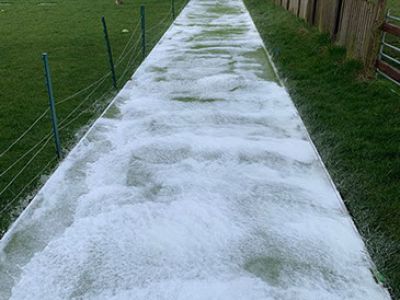
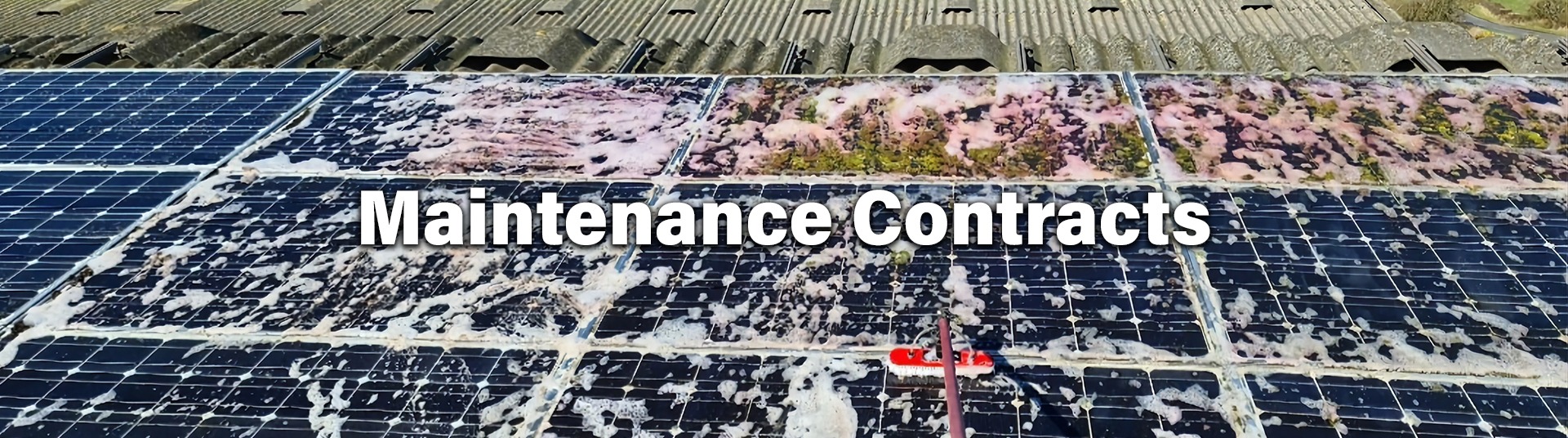
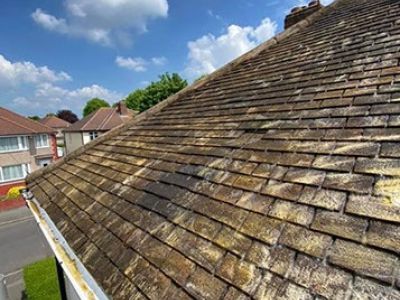
BioClear Pro will produce a foam which will turn brown and green as it begins to break down the existing biofilm. Simply apply and leave the product to self cleanse. Once BioClear Pro has been applied to saturation point, the product penetrates the pores and dwells beneath the surface where it provides continuous protection until the self cleansing cycle has been completed. Helped along by rain, most discolouration will be washed away where, lichen, due to their crust-like protective coating, take longer to breakdown. The self cleansing process will usually be complete in a few months.
BioClear Pro should be expected to keep light staining away for 4 years. This period can be prolonged with a maintenance plan to be agreed between the applicator and their customer.
You can download our BioClear Pro for roofs PDF at the bottom of this page.


BioClear ProBioClear Prowww.puresealservices.co.uk
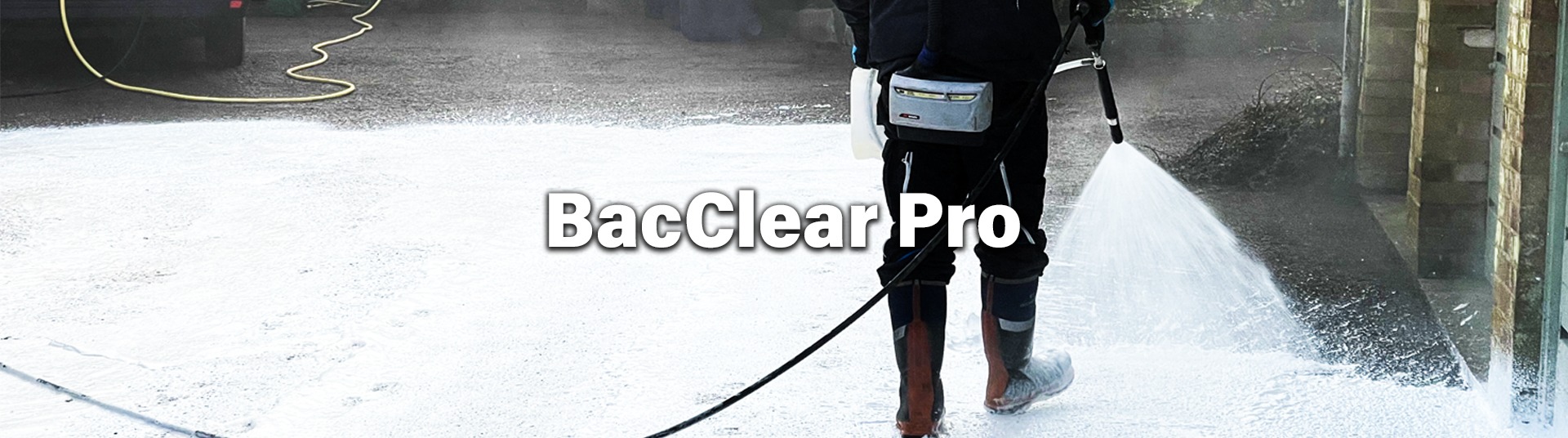
When applying BioClear Pro we recommend using a sprayer or a brush attachment attached to the correct spray equipment for application. Diluted to a ratio of 1:20 and applied at a rate of 1 litre per 0.5m2.
BioClear Pro when brushed on to render will produce a foam that will require rinsing with a final spray application before the previous brushed application dries out. This should be diluted and applied using the same ratio (1:20). Simply apply and leave the product to self cleanse. Helped along by rain, most discolouration will be washed away where, lichen, due to their crust-like protective coating, take longer to breakdown.
The self cleansing process will usually be complete in a few months. BioClear Pro should be expected to keep render free from contamination for a minimum of 2 years. This period can be prolonged with a maintenance plan to be agreed between the applicator and their customer.
You can download our BioClear Pro for render PDF at the bottom of this page.
|
|


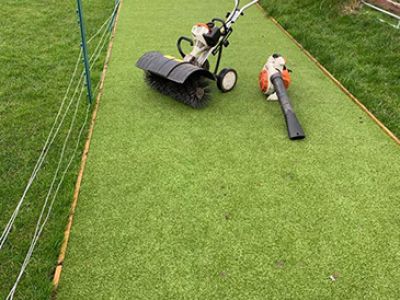
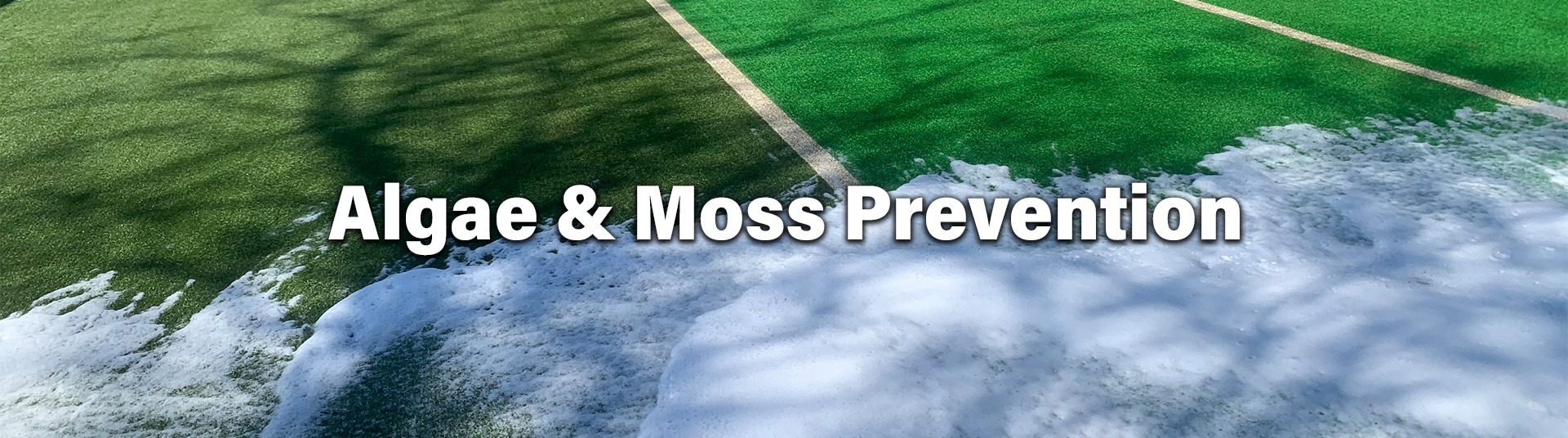
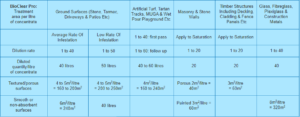
BioClear Pro can be used to treat ground surfaces including stone, block paving, patios, tarmac, decking & timber, wet pour play areas and artificial sports surfaces. Dilution and application rates vary depending on the surface being treated (see chart below). It is best practice to remove any moss and loose material prior to applying BioClear Pro which will enable the product to get straight to the remaining unwanted organisms. When it comes to treating decking & timber, BioClear Pro is designated “PT8” in the EU Biocidal Product Types regulations and is a wood preservative.
This is due to the fact that BioClear Pro’s active ingredient kills Fungi which is the cause of wood rot. When applying BioClear Pro to ground surfaces, we highly recommend using a sprayer with a foaming nozzle or fan jet attached. This will give the applicator a good visual guide as to where the product has been applied to ensure an even coverage. BioClear Pro is safe to use on all building materials and landscape materials and it is completely safe for children and pets (once completely dry).
You can download our BioClear Pro for amenities PDF at the bottom of this page.
What does DDAC stand for?
DDAC stands for Didecyldimethylammonium Chloride which can be a shocking name at first glance. Ultimately like all chemical compounds the large name of DDAC ultimately helps to explain what it’s made of, so let’s try to cover what its name tells us about its’ composition. The first thing to note from its name is that DDAC is a Chloride which means it has some amount of Chlorine on its internal composition.
The presence of Chlorine is vital for the efficiency of DDAC since it can kill bacteria on its own. Chlorine is one of the main chemicals used to treat and clean water. This also shows that it is soluble in water a trait that DDAC also shares, and makes it possible to dilute it in water for use.
Didecyldimethylammonium part of the name can be more daunting but it tells us that it has Chloromethane (mainly as a bonding agent) and DidecylMethyl which grants the resulting compound its liquid properties.
Generally speaking, “DDAC” is the main name used both by the makers and distributors, and it is the name under which it is carried at Pureseal Services. So if you need a powerful yet safe biocide for your house or offices, make sure to contact Purseal Cleaning Services for any orders or other questions.
What is DDAC?
It is a chemical compound that is used as a disinfectant and antiseptic due to its biocidal capabilities, but let’s cover one step at a time what does this truly mean.
Biocides are largely chemical substances that are designed to destroy or deter any organism that is considered harmful.
This is a broad category that includes animal poisons, pesticides, and even antibiotics. But when it comes to DDAC it is primarily a bactericide and a fungicide. In other words, it is a chemical compound specialized in the destruction of bacteria and fungi, which makes it excellent to clean areas and implements that have been exposed to potentially unsanitary conditions. This product is traditionally used in hospitals, hotels, and industries.
In industrial use, DDAC is added to coolants to prevent the proliferation of fungi in them, and ensure that the coolant system is free of potentially harmful biological entities. In hotels, offices, and households it’s traditionally a disinfectant.
DDAC can be used to clean both surfaces and certain clothes like linen, making it a very versatile choice for hotels. DDAC is particularly useful in humid environments where the proliferation of fungi like mould is more likely. As a biocide, it is nearly unmatched in efficiency and safety so DDAC is perfect for use in inhabited rooms.
However, by far its most extensive use comes in its hospital applications. It can be used to clean clothes and surfaces of a hospital or office like in the hotel industry, but it’s also a vital resource to clean medical instruments. DDAC is widely used to clean surgical instruments, but due to its general safety levels, it also gets extensively used for the sterilization of endoscopes and even the instruments used in pediatrics.
As a whole, this product offers excellent biocidal properties with next to no risks attached, which makes it a perfect pick for medicine.
Is DDAC Safe?
This specific biocide is one of the safest alternatives in the market. The most common side-effect DDAC causes on people is mild irritation on the skin, and this only happens if your skin gets exposed to a large amount of it directly. And unlike other biological compounds that are known to cause irritation or allergies.
DDAC is not a dermal sensitizer. Meaning that additional exposure to it won’t make your skin any more sensitive to the compound, and if you didn’t have any irritation during your first exposure you aren’t likely to develop any symptoms towards it on later occasions.
When it comes to other potential risks DDAC also proves to be a very safe product. It isn’t carcinogenic, genotoxic nor is it known to cause systemic toxicity. So regular use of DDAC won’t have any negative impact on the health of the people who are exposed to it due to their work environments.
Overall the only real concern for DDAC comes if you happen to directly inhale or consume it, however, this is true of almost all chemicals, and since DDAC is non-volatile the only risk comes from accidental consumption.